

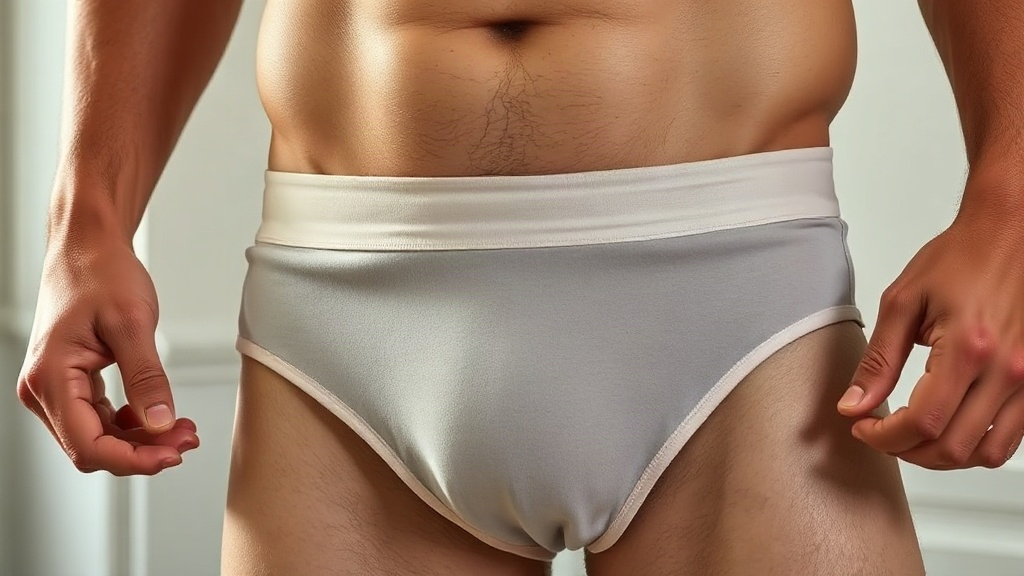
07 Nov Best Underwear Fabrics for Sensitive Skin
Wool socks and cotton tees are easy to sort out. Underwear is trickier, because it sits against the most reactive skin on your body for sixteen hours a day. Anyone hunting for the Best Underwear Fabrics for Sensitive Skin quickly discovers that labels rarely explain what actually touches their skin.
Quick answer: Choose 100% cotton first if you want the cheapest, most reliable option. Pick TENCEL™ lyocell or Modal if sweat and chafing are your main problem, since both stay smoother and drier than cotton. Reserve silk for low-activity days, and skip polyester blends entirely if your skin reacts within minutes.
This guide ranks the fabrics that work hardest for reactive skin, compares their cost and breathability, and explains which dyes and finishes to avoid before you spend money.
Quick picks at a glance
These four fabrics cover almost every sensitive-skin situation. Each pick below suits a different budget and activity level, so match the fabric to your day rather than buying one set for everything.
Sizing and cut deserve as much attention as fiber content. High-waisted briefs in a firm knit can bunch under trousers, while loose boxers in lyocell feel cooler on hot nights. If you split your week between office chairs and gym sessions, buy one cotton set for desk days and one lyocell set for training. Rotating two fabrics also extends the life of each pair, because no single garment takes all the washing wear.
Best overall: 100% cotton
Plain cotton remains the safest default. It breathes well, holds up to hot washing, and rarely triggers contact dermatitis. Look for undyed or low-impact-dyed cotton with a flat waistband. The trade-off is slow drying and a tendency to stay damp after heavy sweating.
Best for sweat and chafing: TENCEL™ lyocell
Lyocell fibers are smoother than cotton at the microscopic level, so friction against skin drops. The fabric wicks moisture and dries faster too. It costs roughly two to three times as much as basic cotton, which makes it a splurge for everyday wear but worthwhile for runners and people prone to heat rash.
Best budget upgrade: cotton-Modal blends
A blend of cotton and Modal gives you softness close to lyocell at a friendlier price. Modal resists shrinking and pilling better than plain cotton. Check the label for at least 90% natural fiber; a 60/40 blend with polyester added defeats the purpose.
Best for low-activity comfort: silk
Silk feels weightless and glides against irritated skin. It is the choice many people with eczema or post-surgery sensitivity reach for. Silk loses strength when wet, needs hand washing in most cases, and costs the most of the four picks. Wear it for rest days, travel, and sleeping rather than gym sessions.
Buy a single pair first and wear it for a full day. Skin reactions can take hours to appear, and a fabric that feels fine in the shop may not survive a workday.
Comparison table
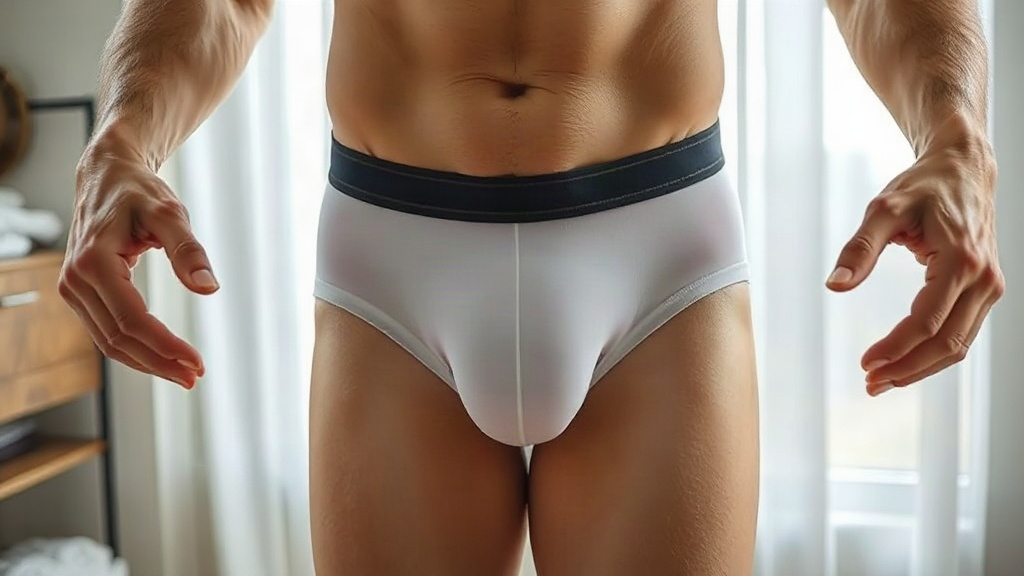
The table below compares the four picks on fiber content, breathability, typical price, and best use. Prices are general ranges for a single pair at mid-market brands, not quotes from a specific store.
Comparison: sensitive-skin underwear fabrics at a glance
| Fabric | Fiber content | Breathability | Typical price per pair | Best for |
|---|---|---|---|---|
| 100% cotton | Natural plant fiber | High | $8–$20 | Everyday wear, eczema-prone skin |
| TENCEL™ lyocell | Wood-pulp fiber | High, fast-drying | $18–$35 | Sweating, sport, chafing |
| Cotton-Modal blend | Mostly plant fiber | Medium-high | $12–$25 | Budget softness, daily wear |
| Silk | Natural protein fiber | Medium | $25–$60 | Rest days, sleep, travel |
Notice how little separates cotton and lyocell on breathability. The real gap is drying speed and surface smoothness. If you sit at a desk all day, cotton wins on price. If you move a lot or sweat easily, lyocell’s faster drying matters more than the label suggests.
Silk sits in its own column because it trades durability for feel. A silk pair will not survive the same washing cycle as cotton, so factor replacement cost into the comparison.
Two practical columns often matter more than breathability scores: shrink behavior and dry time. Untreated cotton can lose up to five percent of its length in the first hot wash, while lyocell and Modal garments usually hold their size. If you line-dry indoors, cotton may need a full day to dry in a cool room, whereas lyocell is often ready in half that time.
Fiber origin also affects how the fabric feels after a year of wear. Cotton softens with every wash but slowly thins at the gusset and waistband. Lyocell keeps its smooth surface longer but can pill where thighs rub. Silk stays luxurious if hand-washed yet snags on zippers and hooks, so keep those pairs in a separate laundry bag.
For anyone comparing on a per-wear basis, assume cotton lasts around 18 months, lyocell closer to two years, and silk perhaps a year with careful handling. Multiply price by replacement frequency to see the true annual cost.
A $10 cotton pair washed twice a week for two years often costs less than a $30 lyocell pair that pills after six months. Check care instructions before judging value.
Individual reviews of the top picks
Each fabric has a clear best case and a real weakness. Here is the honest breakdown.
Price gaps widen further at outlet sales and multi-packs. Cotton typically drops to its lowest per-pair cost in bundles of three or five, whereas lyocell and silk rarely discount deeply because production runs are smaller. If budget is tight, buy cotton multipacks for daily wear and spend the savings on a single lyocell pair for exercise days.
100% cotton: the dependable baseline
Cotton is the fabric dermatologists mention most often for reactive skin, and for good reason. It is breathable, absorbs moisture, and tolerates fragrance-free detergent and hot water. Undyed cotton avoids the dye chemicals that cause many reactions.
Pros
- Widely available in undyed and low-impact-dye options
- Withstands hot washing, which helps with irritation control
- Lowest cost per pair of the four picks
Cons
- Dries slowly and stays damp after exercise
- Can feel rough at the seams until broken in
- Shrinks in the first few washes unless pre-shrunk
TENCEL™ lyocell: the smooth operator
Lyocell’s fibers are extruded into a smooth round shape, which reduces the tiny friction points that irritate skin. It manages moisture well and dries noticeably faster than cotton. People who chafe on long walks or commutes tend to notice the difference within a week.
Pros
- Smooth surface reduces friction and chafing
- Dries faster than cotton after sweating
- Holds color well with low-impact dyes
Cons
- Costs two to three times more than basic cotton
- Some people react to the solvent residue in cheaper versions
- Less tolerant of high heat in the dryer
Cotton-Modal blends: the middle ground
Modal is a beech-pulp fiber that feels softer than cotton and resists pilling. Blended with cotton, it keeps most of the breathability while improving drape. It is the easiest upgrade for someone who finds pure cotton scratchy.
Pros
- Softer hand-feel than plain cotton
- Better shape retention after repeated washing
- Mid-range price that suits a full drawer refresh
Cons
- Blend percentages vary, so check the label carefully
- Less breathable than 100% cotton in hot weather
- Not always available in undyed versions
Silk: the luxury option
Silk’s smooth protein fiber glides over irritated skin and regulates temperature well in bed. It suits people recovering from skin procedures or living with eczema flares. The care burden is real, though, and a single hot wash can ruin a pair.
Pros
- Exceptionally smooth against reactive skin
- Lightweight and temperature-regulating
- Works well for sleep and travel
Cons
- Highest cost per pair of the four picks
- Usually requires hand washing or a delicate cycle
- Weakens when wet and snags easily
Buying guide: how to choose
Fabric name is only part of the story. Dyes, finishes, fit, and washing habits shape how your skin responds. Work through these points before you buy.
Before you order, hold the fabric to a lamp. A dense weave blocks most light and signals better durability, while a thin, see-through knit will stretch out and trap heat. Gently stretch the waistband and let go; it should snap back flat rather than ripple. Also check whether the gusset is lined with the same natural fiber, since some brands pair a cotton body with a synthetic crotch panel, which undoes much of the benefit.
Check the fiber percentage, not just the headline
A label that says “cotton blend” can hide 40% polyester. Turn the tag over and read the percentage. Aim for at least 90% natural fiber for sensitive skin. Blends below that threshold trap heat and moisture against the skin.
Read the dye and finish details
Reactive dyes bond tightly to fabric and are less likely to leach onto skin. Undyed options skip the issue entirely. Watch for “easy-care” or “wrinkle-free” finishes, which often use formaldehyde-based resins that irritate reactive skin.
Match the fabric to your sweat level
Sitting at a desk calls for cotton. Commuting by bike, working out, or living in a hot climate calls for lyocell or a Modal blend. Silk belongs on rest days. One fabric cannot cover every scenario, so build a small rotation.
Look at seams, waistbands, and fit
Scratchy seams cause as many reactions as fabric itself. Flatlock or bonded seams sit flatter against skin. Covered waistbands beat exposed elastic. Buy a size that fits without digging; pressure points create friction no fabric can fix.
Plan your washing routine
Wash new underwear before wearing it, ideally twice. Use a fragrance-free, dye-free detergent and skip fabric softener, which leaves a waxy residue. Hot water is fine for cotton but shortens the life of lyocell and silk.
If redness or itching persists for more than a few days after switching fabrics, see a doctor. Persistent reactions can point to a condition that fabric changes alone will not solve.
FAQ
Is cotton or bamboo better for sensitive skin?
Cotton has the longer track record and is easier to find in undyed versions. Bamboo viscose feels soft but often goes through heavy chemical processing, and quality varies widely between brands. Start with cotton and only try bamboo if cotton feels too rough.
How much should I expect to spend on a sensitive-skin underwear drawer?
Budget roughly $120–$200 for seven pairs of good cotton, or $200–$350 if you mix in lyocell or Modal. Buying one pair first to test the fabric saves money in the long run.
Do I need to avoid all synthetic fabrics?
Not entirely. Small amounts of elastane, usually 3–5%, help underwear keep its shape and rarely cause reactions. The problem is polyester and nylon used as the main fiber, which trap heat and moisture.
How often should I replace underwear for sensitive skin?
Replace pairs every six to twelve months if you wear them weekly. Fabric thins, elastic loosens, and residue builds up even with good washing. Replace sooner if seams start to rub.
Are seamless underwear good for sensitive skin?
Sometimes. Seamless styles reduce friction, but many use synthetic blends or glued edges that irritate reactive skin. Check the fiber content before assuming seamless means safer.
Final verdict
Cotton remains the safest starting point for anyone unsure where to begin, and it is the fabric most likely to suit a full seven-day drawer. If sweat or chafing drives your discomfort, move to TENCEL™ lyocell and accept the higher price. Keep a silk pair for sleep and travel, and use a cotton-Modal blend as a softness upgrade on a budget.
Start with one pair of undyed cotton and one pair of lyocell. Wear each for a full day, note how your skin responds, then build your drawer around whichever fabric felt calmer. That small test costs less than a single mistake purchase and tells you more than any label can.
Sorry, the comment form is closed at this time.