

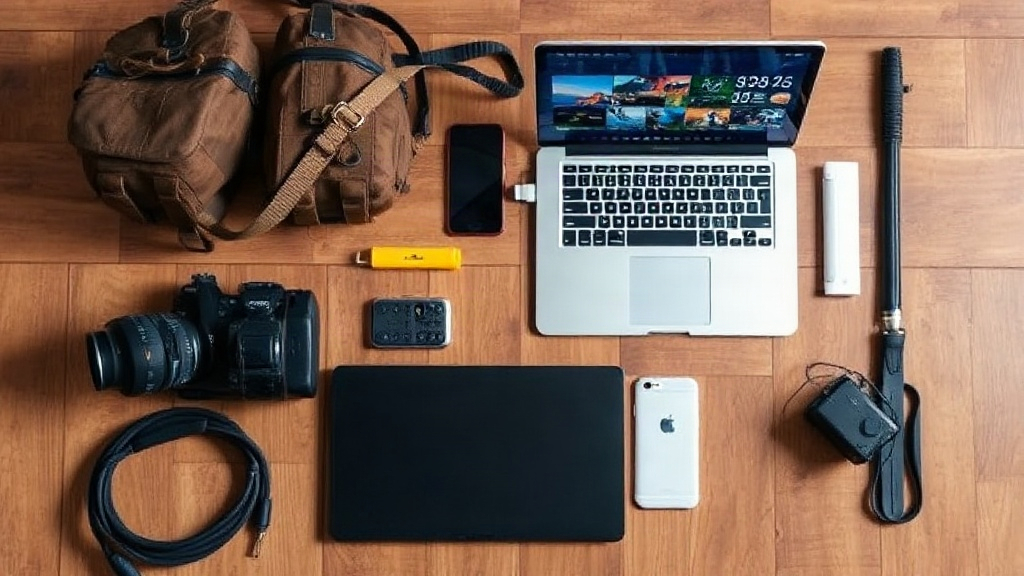
09 Nov Digital Nomad Gear: Portable Tech for Working Anywhere
Choosing digital nomad gear starts with one hard question: what can you carry all day without giving up the tools your work depends on? A designer needs a color-accurate screen, a writer needs a keyboard that survives eight hours, and a developer needs enough memory to run containers. Most people pack for a fantasy of travel first and only later discover what their job truly requires, which is how the wrong laptop, three chargers, and a tangle of cables end up in a daypack in Lisbon. If you also follow gaming hardware, the //gamesplatformhub.com/ space shows how quickly portable specs change.
Quick answer: Build your kit around one reliable laptop, one compact charger that covers every device, and a lightweight way to get online. Weight matters more than raw power, and redundancy matters more than either. Buy for the work you do weekly, not for the edge cases you imagine.
What is digital nomad gear?
Digital nomad gear is the set of portable devices, accessories, and power tools that let someone do location-independent work from cafes, co-working spaces, trains, and short-term rentals. It differs from ordinary travel tech in one key way: every item must earn its place in a bag you carry often. A tablet for movies is a luxury; a laptop that runs your software is not.
The category usually falls into four groups:
- Core work devices: laptop, tablet, phone, and any specialist hardware such as a microphone or drawing tablet.
- Power and connectivity: chargers, power banks, travel adapters, a travel router, and a mobile hotspot or local SIM.
- Peripherals: a compact keyboard, mouse, headphones with a microphone, and a laptop stand.
- Protection and storage: a padded sleeve, waterproof bag, external drive, and cable organizers.
What counts as essential depends entirely on the job. A video editor carrying a 16-inch laptop and a portable SSD is making a sensible trade. A copywriter hauling the same kit is just carrying weight. The right kit is the smallest set of items that covers your actual working week without forcing you to improvise on a bad cafe table.
Weight adds up faster than people expect. A laptop, charger, stand, headphones, and mouse can easily reach 3 to 4 kilograms before you add clothes. That number matters because you will carry it on your back, not wheel it behind you.
The best setups are chosen together: a laptop that charges over USB-C can share one adapter with your phone and headphones, which removes two bricks from your bag.
Takeaway: define your work requirements first, then pick the lightest gear that meets them.
Why digital nomad gear matters
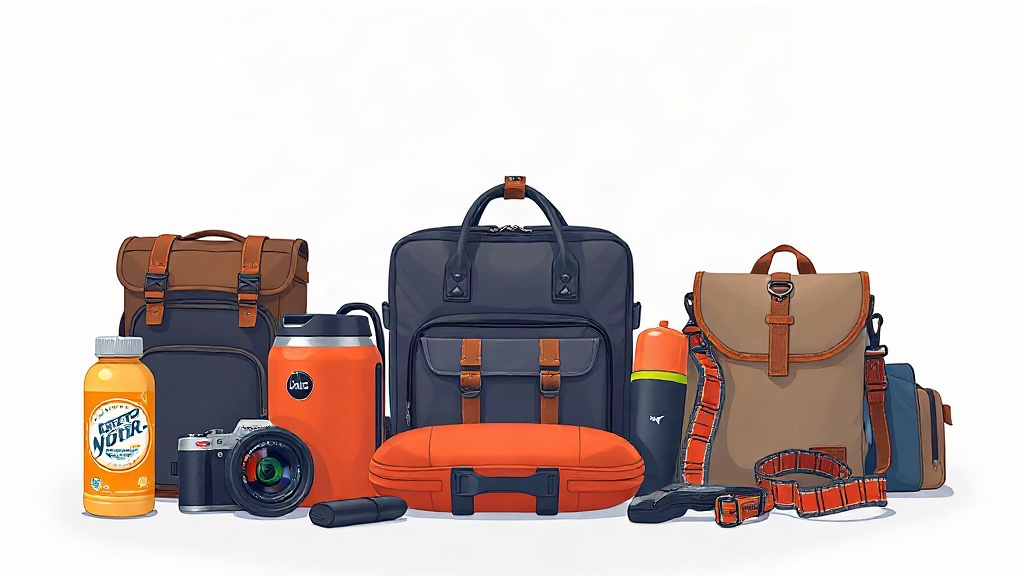
Your equipment quietly sets the ceiling on where you can work and how well you work there. A laptop with six hours of real battery life means you plan your day around outlets. A laptop with twelve hours means you can take the window seat on a long train and finish a project. Those small differences compound across months of travel.
Reliability is the bigger issue. When your only machine fails in a country where you do not speak the language, a repair can take weeks and cost more than the device. Choosing gear with common parts, widely available chargers, and a known service network reduces that risk. So does carrying one genuine spare for the item most likely to fail, usually a charger or cable.
Portability also protects your health. A laptop placed directly on a table forces you to hunch. A lightweight stand and a separate keyboard let you raise the screen to eye level, which matters over long sessions. None of this requires expensive equipment; it requires thinking about the whole setup instead of just the computer.
Connectivity deserves the same attention. Public Wi-Fi is unpredictable, and some rentals advertise internet that barely supports a video call. A phone hotspot, a local SIM, or an eSIM plan gives you a fallback. For remote workers, internet access is not a convenience; it is the office.
Plug shapes vary by country, and some regions run on different voltages. Confirm your charger’s input range before you rely on a single adapter.
Takeaway: good gear buys you location freedom, fewer outages, and a body that does not ache after a workday.
Best practices
Start with a weight budget and stick to it. Weigh your packed tech bag once, write the number down, and treat it as a limit rather than a target. Most people find they can cut a kilogram by removing duplicate chargers and unused accessories.
Standardize on USB-C where you can. A single 100W gallium nitride (GaN) charger can often power a laptop, phone, and headphones at once. That replaces three separate adapters and the associated cables.
Build redundancy into the small things, not the big ones. Two charging cables, one spare adapter, and a backup of your files in cloud storage cost little and prevent the most common disasters. Buying a second laptop rarely makes sense; buying a second cable always does.
Choose a bag with real structure. A padded laptop compartment, a separate pocket for liquids, and a water-resistant shell protect your gear from rain and airport chaos. The bag is part of the kit, so test it loaded before a trip.
Keep a digital inventory. Photograph your serial numbers and keep the list in cloud storage. If something is lost or stolen, an insurance claim or police report goes much faster with that record.
Set up your software before you leave. Offline access to documents, a password manager, and two-factor authentication configured on a backup device save hours when you land somewhere with weak internet.
Work one full day from your kitchen table using only what fits in your travel bag. Whatever you reach for and cannot find belongs on your list.
Takeaway: adopt weight limits, one-charger standards, and small redundancies, and your kit will serve you for years.
Common mistakes to avoid
The most expensive mistake is buying for imagined needs. A traveler who plans to edit video “someday” may carry a heavy laptop for months and never open an editing app. Buy for the work you did last month.
Over-packing chargers and cables runs a close second. Many people carry four adapters and use one. Audit your bag after two weeks on the road and remove anything untouched.
Ignoring repairability creates long-term problems. A device with a soldered battery and no local service options becomes a liability abroad. Check whether the brand operates in the regions you plan to visit, and favor gear with replaceable batteries or standard components where possible. If you are curious how mixed-reality hardware fits into a working setup, the Meta Quest 3 productivity setup for remote work is worth a look before you add another device to the bag.
Skipping insurance is a common shortcut with real consequences. Theft and accidental damage happen, and replacement costs abroad can exceed the price at home. A policy that covers electronics while traveling is usually cheaper than replacing a laptop.
Finally, many people buy gear but never practice with it. A travel router is useless if you cannot configure it under pressure. A new keyboard slows you down until you adjust. Test everything in advance, and keep the packaging until you are sure it works.
Takeaway: avoid gear chosen for fantasy scenarios, and audit your bag honestly after the first month.
FAQ
How much should I budget for digital nomad gear?
You can build a workable kit for the cost of a mid-range laptop plus a few hundred dollars in accessories. Spending more mainly buys lighter weight, longer battery life, and better build quality. Set a budget, then prioritize the laptop and charger first.
Is a tablet enough instead of a laptop?
For writing, email, and light design work, a tablet with a keyboard can work well and saves weight. For software development, video editing, or anything requiring desktop applications, a laptop is the safer choice. Decide based on your core tasks, not occasional ones.
Do I need a travel router?
A travel router helps when you share a rental with weak Wi-Fi, need a wired connection, or want a stable private network. If you mostly work from your own hotspot and cafes, you can skip it. It is useful gear, not mandatory gear.
How do I protect my gear from theft?
Carry your laptop in a bag that does not look like a laptop bag, never leave devices visible in a parked car, and keep backups in the cloud. A cable lock and a screen privacy filter add cheap protection in shared spaces.
When should I replace my travel laptop?
Replace it when battery life drops below what a normal workday needs, when repairs cost more than a replacement, or when your software no longer runs smoothly. Plan the purchase before a trip, not during one.
Conclusion
The right digital nomad gear is a small, tested system built around one dependable laptop, one charger that covers everything, and a plan for staying online. Weigh your bag, standardize on USB-C, and keep a spare cable or two. Buy for the work you actually do, insure what you cannot easily replace, and practice with new equipment before you rely on it abroad. Start this week by weighing your current tech bag and removing one item you have not used in a month; that single change tells you more about your real needs than any shopping list.
Sorry, the comment form is closed at this time.