


27 Oct Why Are Shoes So Expensive? Breaking Down the Real Costs Behind Your Favorite Pairs
Shoes have become more than just a basic necessity. They’re a fashion statement, a symbol of status, and sometimes even a reflection of one’s personality. But as we all know, quality shoes often come with a hefty price tag. So, why are shoes so expensive? You might wonder why something so seemingly simple can cost hundreds, if not thousands, of dollars. Let’s dive into the various factors that contribute to the high price of shoes, from production costs to brand influence, and explore the opinions and stats behind each reason.
-
The Cost of Materials
The first and perhaps most obvious factor in shoe pricing is the cost of materials. Quality materials such as leather, suede, and high-performance fabrics are not cheap. Take leather, for example. A well-made leather shoe can last years if not decades, but the cost of sourcing premium leather can significantly raise the price. According to a report from Grand View Research, the global leather market was valued at $394.12 billion in 2020, and it’s expected to grow, which only adds to the cost of shoes made from this material.
On the other hand, cheaper materials like synthetic leather or plastics may lower the price, but they don’t offer the same level of durability, comfort, or breathability. Therefore, when brands choose high-end materials, they pass these costs onto the consumer, justifying the higher price tag.
-
Manufacturing and Labor Costs
Labor costs also play a massive role in determining why shoes are so expensive. Manufacturing a pair of shoes isn’t just about cutting and stitching; it involves skilled labor and careful craftsmanship, especially for high-end designer brands. Countries like Italy, where many luxury shoes are crafted, are known for their tradition of expert shoemaking. However, paying skilled workers fairly adds to the final cost.
Moreover, some companies prioritize ethical practices and ensure that workers are paid fair wages, which adds to production costs but aligns with modern consumer values. According to a study by the World Fair Trade Organization, paying fair wages can increase production costs by 20-30%. While that may seem like a lot, it’s important to note that ethical manufacturing is something that many consumers are increasingly willing to pay more for.
Additionally, shoe production involves several stages: design, pattern making, cutting, stitching, assembly, and finishing. Each step requires skilled labor, specialized machinery, and time. When you factor in brands that pride themselves on craftsmanship—like Louboutin or Prada—the meticulous attention to detail can make shoes significantly more expensive.
Explore Myfairladybway blog to discover more about how intricate design processes affect pricing, especially in the fashion industry.
-
Brand Reputation and Marketing
The name behind a shoe often carries as much weight as the shoe itself. Iconic brands such as Nike, Adidas, and Gucci have spent decades building their reputations, and this plays a huge part in why their shoes are expensive. A lot of what you pay for is not just the shoe but the prestige of wearing a name that is recognized worldwide.
Marketing plays a big part in shoe prices too. Brands spend millions of dollars on advertising, celebrity endorsements, and product placements. For instance, according to Statista, Nike’s marketing budget in 2020 exceeded $3 billion. These costs are passed down to the consumer. When you’re buying a pair of Air Jordans, you’re not just paying for the material or the labor—you’re paying for the legacy and the immense marketing machine behind the brand.
-
R&D and Innovation
Not all shoes are created equal. In recent years, there has been a surge in shoe technology, with brands constantly competing to produce the most comfortable, durable, and stylish shoes on the market. For example, running shoes have advanced cushioning systems, lightweight materials, and breathable fabrics that are the result of years of research and development (R&D).
Take the Nike Vaporfly shoes, for instance. Nike invested years of research into designing a shoe that could improve marathon runners’ times. The materials used, such as carbon fiber plates and energy-returning foam, are cutting-edge and come at a cost. According to Nike’s financial reports, a significant portion of their budget is allocated to R&D, which explains why some of their performance shoes can cost $200 or more.
This trend isn’t limited to sports shoes, either. Even casual footwear brands are investing in sustainable materials, such as recycled ocean plastics and eco-friendly leather alternatives, driving up the costs but aligning with consumer demand for more eco-conscious products.
-
The Influence of Trends and Exclusivity
Shoes, like all fashion, are subject to trends. Limited-edition releases, collaborations with celebrities, and exclusive designs can drastically increase the price of shoes. For example, when Kanye West’s Yeezys first hit the market, they sold out almost instantly, with resale prices skyrocketing to over $1,000. The original retail price was already high, but the exclusivity factor made them even more desirable—and therefore more expensive.
This trend is not exclusive to sneaker culture. High-fashion brands like Balenciaga, Gucci, and Christian Louboutin create shoes that are often released in limited quantities, driving demand and prices through the roof. The psychological element of owning something exclusive, something that not everyone has, is a powerful tool that brands use to justify higher prices.
Related: How to Wear Chelsea Boots for Ladies?
-
Import and Tax Costs
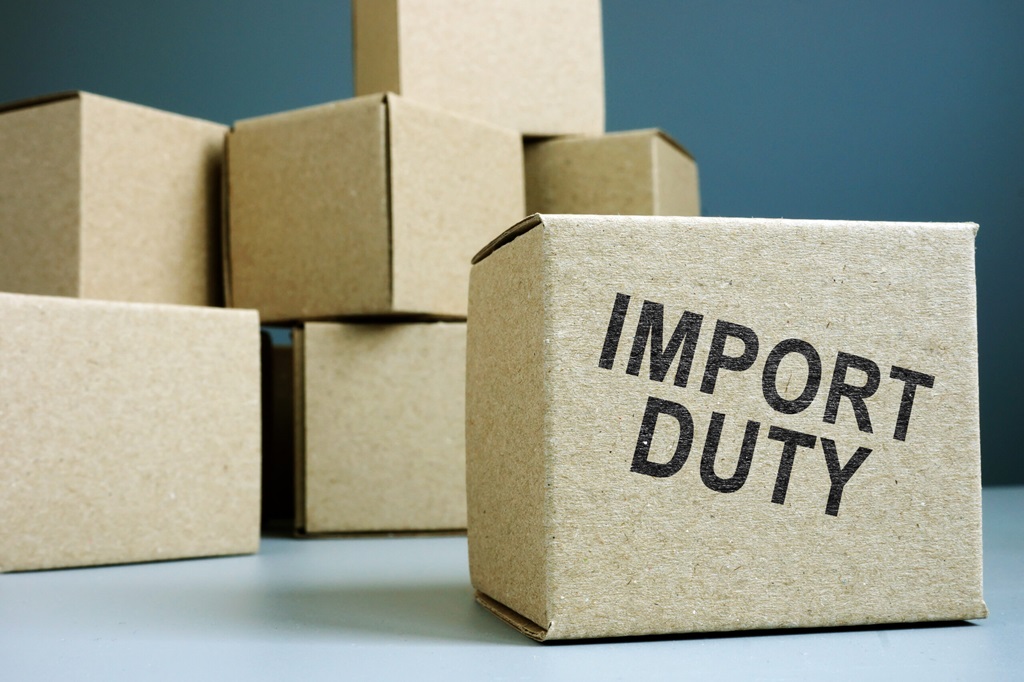
Many shoes are manufactured overseas and imported into different countries, which adds another layer to the final price. Import duties, taxes, and tariffs can raise the cost of shoes, especially when they are produced in regions with strict trade regulations. According to the U.S. Department of Commerce, the import tariff rate for shoes can be as high as 37.5%. So, when you’re buying shoes made in Italy or other parts of the world, a portion of the cost is due to taxes imposed on imported goods.
-
Comfort, Fit, and Design
The more comfortable and well-fitted a shoe is, the more engineering and design work went into its creation. Finding that perfect balance between aesthetic appeal and functionality isn’t easy. High-end brands spend a lot of time perfecting the structure of their shoes to ensure they offer the best support and comfort. This means additional costs in terms of design iterations, fittings, and prototypes.
What are koolaburra uggs? What makes shoes like Koolaburra Uggs popular is that they balance comfort with style, which is no easy task. These shoes often feature high-quality sheepskin and fleece lining, making them a cozy option for winter. However, the use of these premium materials and the reputation behind the Ugg brand also push prices higher.
-
Sustainability and Environmental Impact
Today’s consumers are increasingly aware of the environmental impact of their purchases, and shoes are no exception. Brands that are committed to sustainable practices often use eco-friendly materials, which tend to be more expensive to produce. For example, Adidas launched its Parley line of shoes made from recycled ocean plastic. However, the technology and processes required to create these shoes come with a higher price tag.
Additionally, producing shoes in an environmentally responsible way often involves reducing waste, using renewable energy sources, and minimizing harmful chemicals. While these practices are better for the planet, they increase production costs and, ultimately, the price consumers pay. A study by the Global Fashion Agenda shows that sustainability-focused initiatives can add between 5-10% to production costs, which is reflected in retail pricing.
-
Supply Chain Challenges
Global supply chain issues, especially in recent years due to the pandemic, have added to the cost of producing and shipping shoes. Delays in materials, transportation costs, and even disruptions in factory operations all contribute to rising shoe prices. For example, shipping container costs surged during 2020-2021, with some prices increasing by more than 500%, according to a report from Freightos. These additional costs are often passed down to consumers.
-
Retail Markups
The final factor influencing the price of shoes is retail markup. Retailers often buy shoes at wholesale prices and then mark them up to make a profit. The average retail markup on shoes is between 50-100%, depending on the brand and the type of shoe. So, if a shoe costs $50 to make, it could easily be sold for $100 or more at retail.
Related: Kate Spade Outlet vs Retail Quality
This markup covers the retailer’s operating costs, including rent, wages, marketing, and more. In the world of luxury shoes, the markup is even higher, often reaching up to 300%. Therefore, a $200 pair of designer shoes may only cost the company $50 to produce.
Conclusion
So, why are shoes so expensive? It’s not just one factor, but a combination of many—materials, labor, brand reputation, sustainability, and even marketing. While we might gasp at the price tags of some shoes. Understanding the complexities behind production and the factors that go into each pair can shed light on why those prices make sense. Whether you’re buying a pair of high-end designer shoes or a comfortable, durable pair for everyday wear. It’s important to know that the price reflects more than just the product—it reflects an entire process that ensures quality, durability, and sometimes even ethics.
The next time you find yourself staring at a pair of expensive shoes. Remember that you’re paying for more than just something to cover your feet. You’re investing in craftsmanship, comfort, sustainability, and sometimes, a little bit of exclusivity.
Sorry, the comment form is closed at this time.